
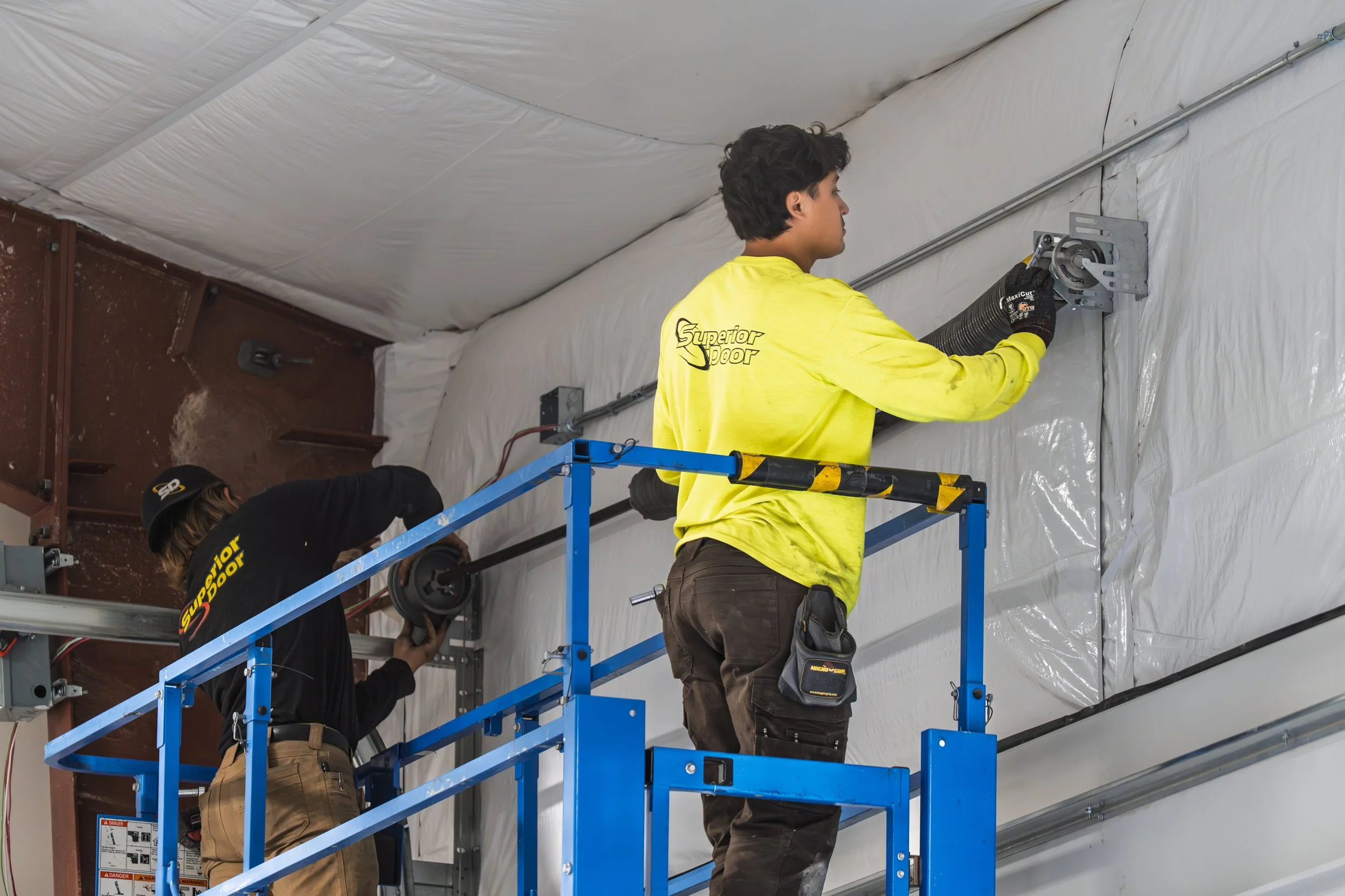
Commercial garage door down? We answer at 2am
A jammed dock door, a rolling steel curtain off its guides, an operator that quit mid shift. Every hour that opening stays down costs you more than the repair. A technician is usually on site within about 2 hours.
What is down, and what it usually means
Tell dispatch which of these it is. Commercial parts are not all on every truck, so naming the failure is what decides whether we fix it tonight or bring the right hardware back at 7am.
- Rolling steel curtain jammed or out of the guides
- Usually a bent guide, a broken slat, or a curtain that came off after an impact. Stop cycling it. Every attempt drives the damage further up the curtain.
- Dock door will not lift and the trailer is loaded
- Broken spring or cable on a high-cycle door. We can often chain-hoist the door open enough to clear the dock while we repair it, which gets your trailer moving before the fix is finished.
- Sectional door off track in a bay
- A roller or hinge failed, usually after a strike. The panel above it is carrying weight it was not built for, so leave it and keep the bay clear.
- Operator runs but the door does not move
- Sheared key, failed coupling or a stripped gear in the reducer. The door is usually fine, which makes this one of the faster commercial repairs.
- Door drifts closed or will not hold position
- Spring tension is gone or going. On a high-cycle door this is a safety issue before it is an operations issue. Nobody under the opening.
- A forklift or truck hit the opening
- We check the track, the jamb and the header before the door itself. Bent steel in the opening is what turns a panel swap into a full replacement.
- Photo eyes or safety edge faulted
- The door will not close and you cannot secure the building. Often a same-visit fix, and we will not bypass a safety device to get you closed.
- Fire door dropped
- A dropped fire door has to be reset and drop-tested by someone qualified, and the test documented. Call us rather than resetting it yourself.
Keep the crew safe until we arrive
Commercial doors carry more weight and more stored energy than anything on a house, and they usually fail in a building full of people trying to keep working.
Do this
- Lock out the operator at the disconnect so nobody runs the door again
- Cone or tape off the opening and route traffic to another bay
- Photograph the failure and the surrounding track before anything is moved
- Tell dispatch the door type, rough size and roughly how many cycles a day it runs
Do not do this
- Do not chain, strap or forklift a jammed door open to keep production going
- Do not bypass a photo eye or safety edge to force the door closed for the night
- Do not reset a dropped fire door. It has to be drop-tested and documented
- Do not adjust spring tension. High-cycle springs hold enough energy to kill
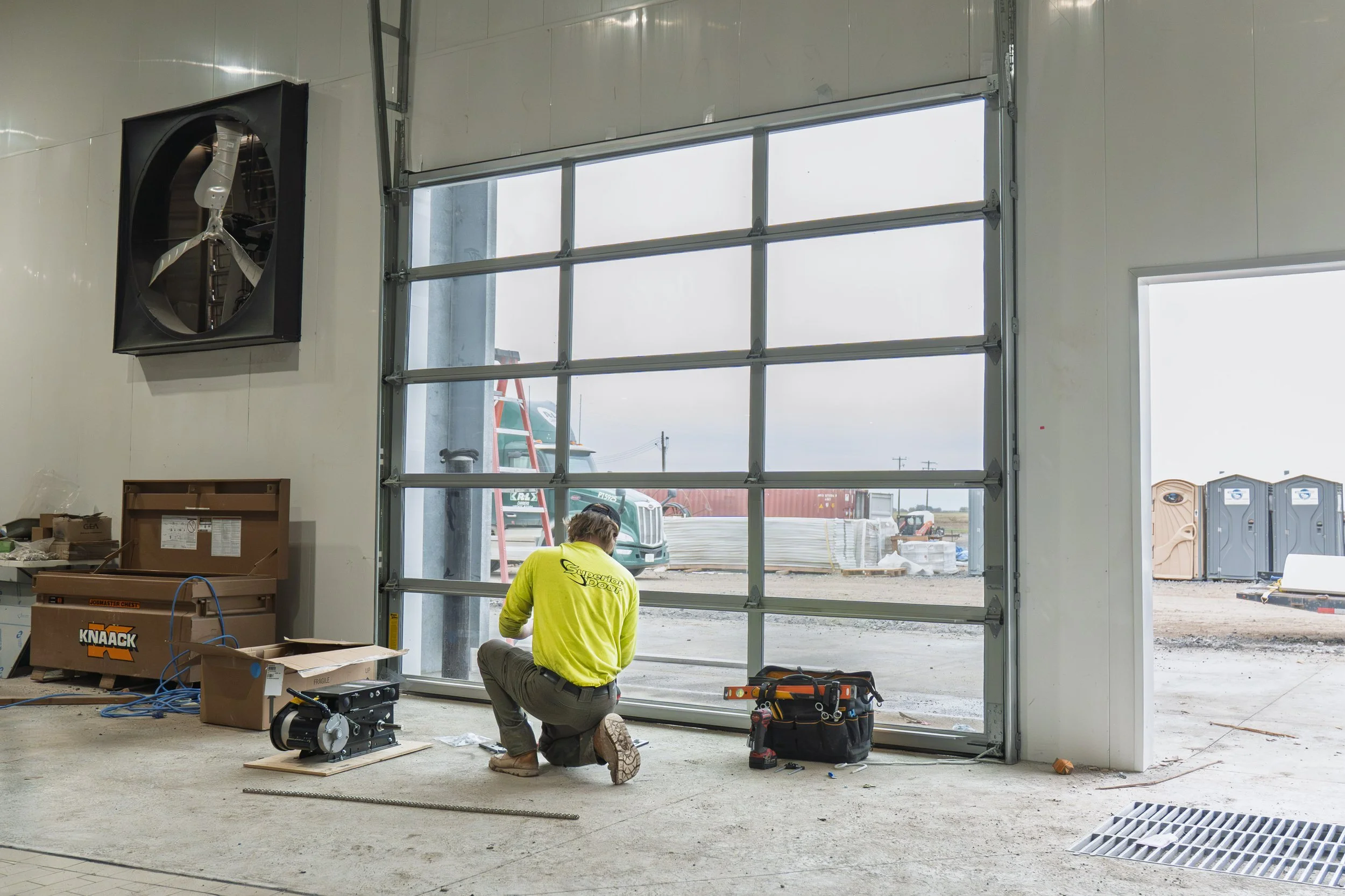
Which shop takes the call
Two shops cover Southern and Eastern Idaho between them, with commercial hardware on the trucks and more of it at the shop. Call the one closest to your facility.
Magic Valley & Wood River Valley
Dispatched from the Kimberly shop, 473 Hankins Rd S
(208) 734-4657- On site in about 2 hours on most calls, longer when the roads are bad
- Answered nights, weekends and holidays, not an answering service
- Serving shops, warehouses, dairies and ag operations across 21 towns
Eastern Idaho
Dispatched from the Idaho Falls shop
(208) 273-1557- On site in about 2 hours on most calls, longer past Rexburg
- Answered nights, weekends and holidays, not an answering service
- Serving facilities across 14 towns from Pocatello north to St. Anthony
Outside those towns? Call and ask. We travel further for commercial work than the map suggests.
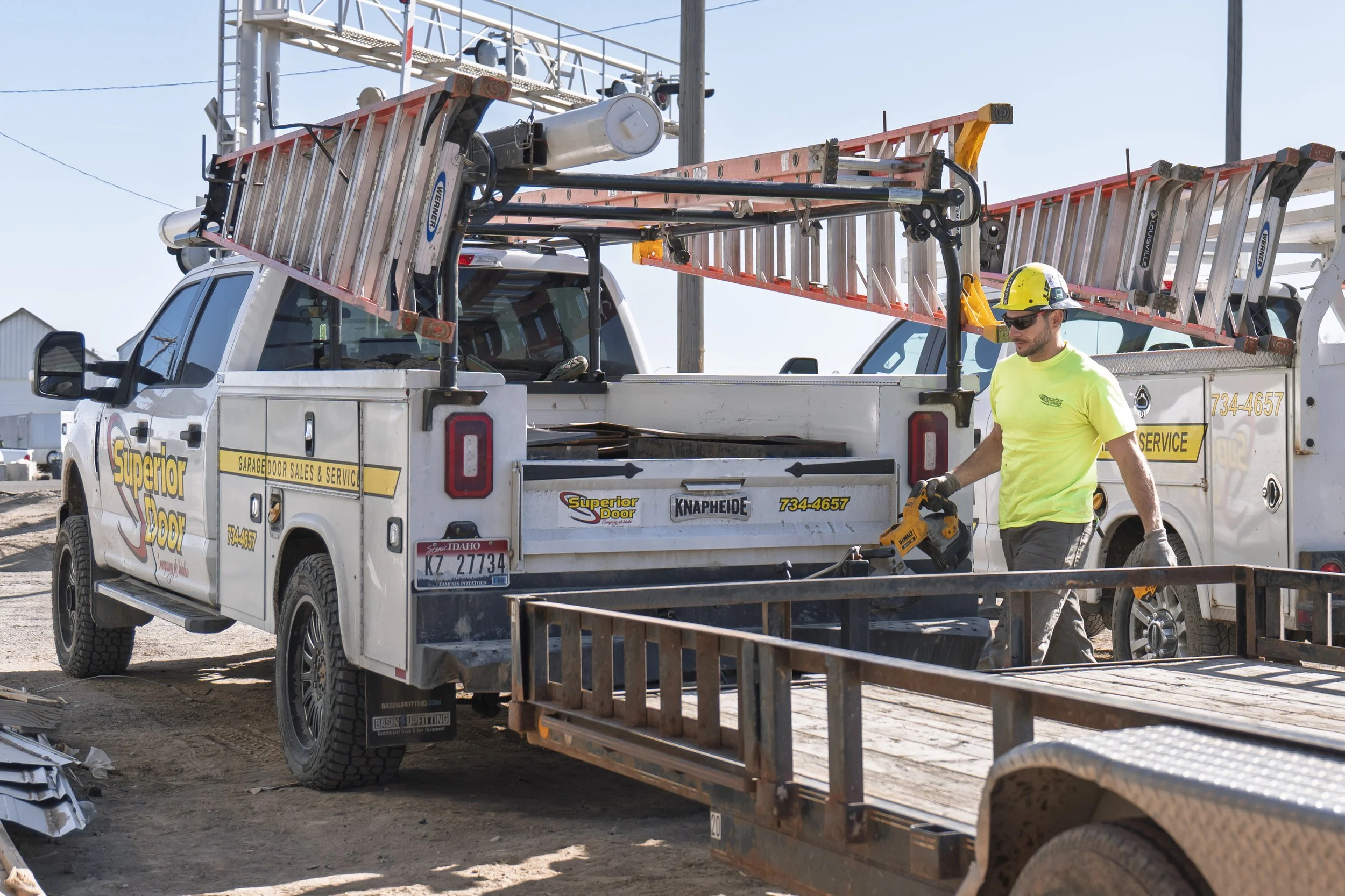
How an after-hours commercial call is billed
Facilities managers do not like surprises on an invoice any more than homeowners do, and you usually have a PO process to answer to.
- After hours means after 5pm on weekdays, and anytime on the weekend
- Those calls are quoted at our emergency rate, and you hear that rate on the phone before we dispatch, so it can go on a PO before we arrive.
- We diagnose it, tell you what the repair costs, and wait for your approval. No charge for the look and no obligation.
- We will tell you when it can wait until morning
- If the opening is safe and secure overnight, the regular rate tomorrow costs you less. You will hear that from us rather than finding out later.
- Every visit leaves a written report
- What failed, what we did, what we found that will need attention, so facilities and safety have documentation for the file.
How an emergency call runs
Three steps, at 2pm or 2am. The first priority is getting the opening safe and usable, not finishing the repair.
-
A person answers and dispatches
Tell us the door type, the rough size and what failed. That is what decides which truck comes and what hardware is on it, so name the failure rather than saying the door is broken.
-
We secure the opening first
Before the repair starts we make the door safe and, where we can, get the opening usable again so the dock or the bay is not dead while we work.
-
Repaired, tested, documented
We fix it, cycle it under load, test the safety devices, and leave a written report of what failed and what we found.
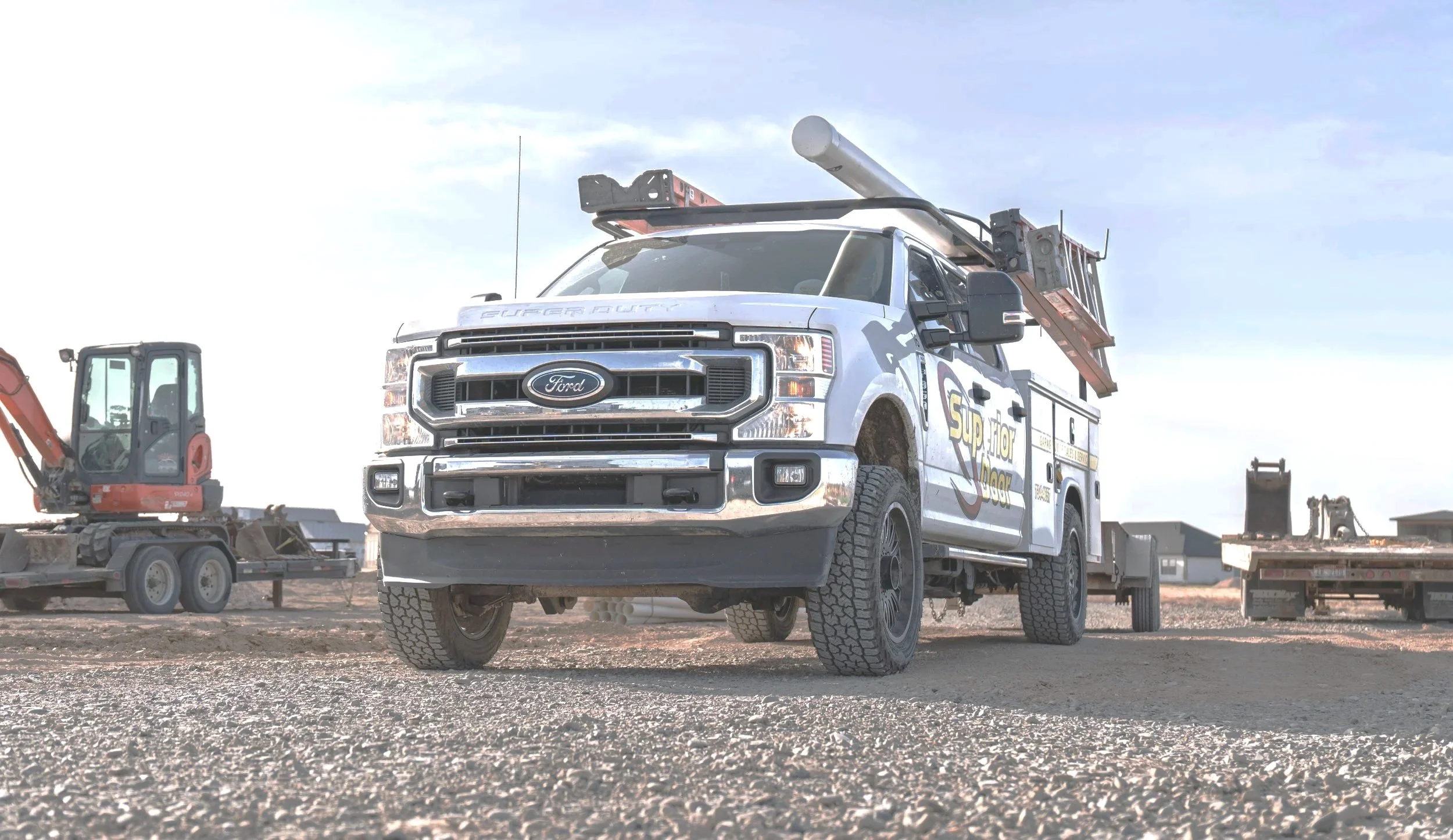
What customers say
Thirty-plus years in one valley means most of the work comes from somebody who was sent by somebody else.
What facilities managers ask us
Do you actually answer at 2am, or is it an answering service?
A person answers, 24 hours a day, 7 days a week, including nights, weekends and holidays, and that person dispatches the technician. The showroom keeps regular business hours, but the emergency line does not close.
How fast can you get to our facility?
Most calls see a technician on site within about 2 hours of dispatch, from Kimberly for the Magic Valley and from Idaho Falls for Eastern Idaho. Winter weather and call volume shift that, and you get an honest window on the phone rather than an optimistic one.
Can you get the door open tonight even if the repair takes longer?
Usually. On a dock door with a broken spring or cable we can often get the opening usable so a loaded trailer can clear, then complete the repair. Getting you operating again comes before finishing the job.
Do you carry commercial parts on the truck?
The common ones, including high-cycle springs, cables, rollers, bearings, sensors and operator parts. Curtain slats, specific operators and custom sections are ordered, and in that case we secure the opening and come back when the part lands.
Can we put an emergency call on a PO?
Yes. You hear the emergency rate on the phone before we dispatch, so it can go on a PO before we arrive, and the repair price is approved on site before work starts.
Do you service rolling steel and dock equipment, not just sectional doors?
Yes. Sectional doors, rolling steel, high-cycle springs, commercial operators and dock equipment. If it is an opening in a commercial building we work on it.
Our fire door dropped. Can you reset it?
Yes, and it needs to be reset properly and drop-tested rather than simply lifted back into place. Call us instead of resetting it in house, and you get the test documented for your file.
Can you set us up so this stops happening?
That is what a maintenance program is for. Scheduled inspections catch worn cables, tired springs and drifting travel limits before they take a bay down, and every visit leaves a written report. See commercial repair and maintenance.
More answers on the full FAQ page.
Every hour that opening is down costs more than the call
Thirty-three years in Southern Idaho, and the emergency line still reaches the shop that sends the truck.